Filtered Water vs Bottled Water A Comprehensive Guide to Health Taste Cost and Environment
- May 6
- 4 min read
Choosing the right water for daily hydration is more than just a matter of preference. With growing concerns about health, environmental impact, and cost, many people wonder whether filtered water or bottled water is the better option. This guide breaks down the key differences between these two popular choices, helping you make an informed decision that fits your lifestyle and values.
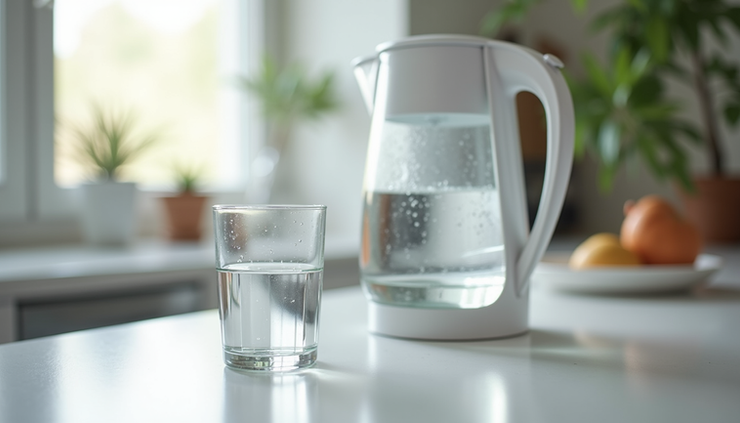
Understanding the Filtration Process
Filtered water typically comes from tap water that passes through a filtration system designed to remove impurities. These systems vary widely, from simple activated carbon filters to advanced reverse osmosis units.
Activated Carbon Filters
These remove chlorine, sediment, and some organic compounds, improving taste and odor. They do not remove minerals or dissolved solids.
Reverse Osmosis Systems
These push water through a semipermeable membrane, removing a wide range of contaminants including heavy metals, salts, and microbes.
UV Filters
Some systems use ultraviolet light to kill bacteria and viruses without chemicals.
Filtered water quality depends on the source water and the filtration system's effectiveness. Regular maintenance and filter replacement are essential to ensure safety and taste.
Bottled water, on the other hand, often comes from natural springs, wells, or municipal sources. It undergoes various treatments such as filtration, ozonation, or UV treatment to meet safety standards. The U.S. Food and Drug Administration (FDA) regulates bottled water, setting limits on contaminants and requiring labeling of water sources and treatment methods.
Health Benefits of Filtered Water and Bottled Water
Both filtered and bottled water can provide safe hydration, but there are differences worth noting.
Filtered Water
When properly filtered, tap water can be free of harmful contaminants like lead, chlorine, and bacteria. It retains beneficial minerals such as calcium and magnesium, which support bone health and metabolism. However, the quality depends on local water sources and filter maintenance.
Bottled Water
Bottled water is generally safe and often marketed as pure or mineral water. Some brands add minerals for taste and health benefits. However, studies have found that some bottled water brands contain microplastics or trace contaminants, though usually within regulatory limits.
Both options reduce exposure to harmful substances compared to untreated tap water, but filtered water offers more control over what stays in or out.
Environmental Impact of Each Option
Environmental concerns are a major factor in choosing between filtered and bottled water.
Filtered Water
Using a home filtration system significantly reduces plastic waste. Filters themselves generate some waste, but this is minimal compared to single-use plastic bottles. Additionally, filtered water uses less energy overall since it avoids the manufacturing, transportation, and disposal processes associated with bottled water.
Bottled Water
Plastic bottles contribute to pollution and landfill waste. Although many bottles are recyclable, recycling rates vary and not all bottles are recycled properly. The production and transport of bottled water also create a larger carbon footprint. For example, producing one liter of bottled water can use up to three liters of water and significant fossil fuels.
Choosing filtered water helps reduce plastic pollution and conserve resources.
Cost-Effectiveness Comparison
Cost is a practical consideration for most people.
Filtered Water
Initial costs include purchasing a filtration system or pitcher, which can range from $20 to several hundred dollars. Replacement filters typically cost $15 to $50 and last from a few months to a year. Over time, filtered water costs are much lower than bottled water, especially for daily use.
Bottled Water
Bottled water prices vary widely but average around $1 to $3 per liter. For regular consumption, this adds up quickly. For example, drinking two liters daily can cost over $700 annually, compared to under $100 for filtered water in many cases.
Filtered water offers a clear financial advantage for long-term hydration.
Taste Differences Between Filtered and Bottled Water
Taste is subjective but important for many people.
Filtered Water
Filters remove chlorine and other chemicals that cause unpleasant tastes in tap water. Some filters also reduce hardness and metallic flavors. The taste can vary depending on the filter type and water source.
Bottled Water
Bottled water often has a clean, crisp taste due to natural mineral content or purification processes. Some brands add minerals to enhance flavor. However, some bottled water can taste flat or slightly plastic-like if stored improperly.
Many people find filtered water fresher tasting than tap water, while bottled water offers consistent flavor but at a higher cost.
Convenience and Accessibility
Convenience plays a big role in water choice.
Filtered Water
Home filtration systems provide instant access to clean water without the need to buy or carry bottles. Portable filter pitchers and bottles are also available for on-the-go use. However, filters require regular replacement and maintenance.
Bottled Water
Bottled water is widely available in stores, vending machines, and restaurants. It is convenient for travel, outdoor activities, or places without safe tap water. The downside is the need to purchase and dispose of bottles regularly.
Filtered water is more convenient for daily home use, while bottled water suits occasional or mobile needs.
Regulations and Safety Standards
Understanding regulations helps clarify safety.
Filtered Water
Tap water is regulated by the Environmental Protection Agency (EPA) in the U.S., which sets limits on contaminants. Home filters are not regulated but must meet standards set by organizations like NSF International. Consumers should choose certified filters and follow maintenance guidelines.
Bottled Water
The FDA regulates bottled water as a food product, requiring testing and labeling. Standards are similar but not identical to EPA rules. Bottled water companies must report contaminant levels and ensure safety.
Both options are generally safe when standards are followed, but consumers should stay informed about their water source and treatment.
Choosing between filtered water and bottled water depends on your priorities. Filtered water offers health benefits, cost savings, and environmental advantages, especially for everyday use at home. Bottled water provides convenience and consistent taste, useful when traveling or in places without safe tap water.


Comments