Biofilm in Household Plumbing: What It Is, Why It Forms, and How to Prevent It
That slick feeling inside a sink drain, the pinkish film near a shower corner, or the musty odor from a rarely used faucet can all point to the same hidden issue: biofilm. It is common, stubborn, and often misunderstood.
Biofilm is not always visible, and it does not mean a home is dirty. It forms naturally wherever water, surfaces, and microorganisms meet. Household plumbing gives it plenty of places to settle, from faucet aerators to showerheads, drain walls, water heater connections, and low-use pipe runs.
The good news is that homeowners can reduce biofilm growth with regular maintenance, better water habits, and attention to the conditions that help it thrive.

What biofilm is in simple terms
Biofilm is a thin, slimy layer made by microorganisms that attach to a surface. In plumbing, that surface may be the inside of a pipe, a faucet screen, a rubber washer, a showerhead, or the wall of a drain.
A biofilm usually contains:
Bacteria and other microorganisms
Water
Organic material from the water supply or household use
Minerals such as calcium, magnesium, or iron
A sticky protective substance made by the microbes themselves
That sticky substance is often called a matrix. Think of it as a glue-like shelter. Once microorganisms attach to a surface, they produce this protective layer around themselves. The film helps them stay in place, hold moisture, trap nutrients, and resist being washed away.
Biofilm can feel slick, look cloudy, appear as a colored film, or remain completely out of sight. In drains, it may mix with soap residue, hair, toothpaste, skin oils, food particles, and grease. In supply lines, it may be much thinner and harder to notice.
Biofilm is not the same as ordinary dirt. Dirt can often be rinsed away. Biofilm clings to surfaces. That is why a drain or showerhead may smell clean for a few days after a quick rinse, then develop the same odor again.
Why household plumbing is a good place for biofilm to grow
Plumbing systems are designed to move water, but they also contain many areas where small amounts of water remain after use. Those damp surfaces create an ideal setting for microorganisms.
Biofilm does not form overnight in most cases. It develops in stages:
Microorganisms in water contact a surface.
Some of them stick instead of washing away.
They begin producing a protective layer.
More particles and microbes collect in that layer.
The film thickens or spreads if conditions support it.
Once established, biofilm can become harder to remove because the outer layer protects what lives beneath it.
Moisture gives biofilm a place to survive
Water is the main requirement. Any constantly wet or frequently damp area can support biofilm.
Common spots include:
Sink drains
Shower drains
Faucet aerators
Showerheads
Garbage disposal splash guards
Ice maker lines
Refrigerator water dispensers
Water softener components
Sump pump basins
Pipes leading to rarely used fixtures
Even a tiny amount of water trapped in a screen, gasket, or pipe bend can be enough. That is why fixtures used every day and fixtures hardly used at all can both develop biofilm, for different reasons.
Daily-use fixtures stay wet often. Low-use fixtures may hold stagnant water for long periods.
Temperature affects how fast growth happens
Warm conditions often encourage microbial growth. This is one reason showers, hot water lines, and water heater-connected fixtures can be more prone to buildup than cold, dry surfaces.
That does not mean cold water lines are immune. Cooler temperatures may slow activity, but moisture and nutrients can still allow biofilm to form.
Temperature swings can also play a role. For example, a guest bathroom shower may sit unused for weeks, then cycle between warm, steamy use and long damp periods. That pattern can support film on showerhead openings, drain walls, and tile edges.
Stagnant water makes the problem worse
Moving water helps flush loose material. Stagnant water gives microorganisms more time to attach to surfaces and gather nutrients.
Stagnation can happen in:
Guest bathrooms
Outdoor spigots
Utility sinks
Long pipe runs
Vacation homes
Finished basements with rarely used fixtures
Water lines after extended travel
If a faucet is not used often, the water in that branch of plumbing may sit long enough for disinfectant levels to drop and for particles to settle. That can make the area more welcoming to biofilm.
How water quality affects biofilm formation
Water quality has a major impact on what grows in plumbing and how quickly buildup appears. Clean, well-treated water can still contain naturally occurring microorganisms and minerals, but certain conditions make biofilm more likely.
This is where plumbing water quality matters. The chemistry and contents of water affect the surfaces inside a system.
Minerals can give biofilm more surface area
Hard water contains higher levels of minerals, mainly calcium and magnesium. These minerals can leave scale on fixtures, inside appliances, and in pipes.
Scale creates a rougher surface. A rough surface gives microorganisms more places to attach. Once biofilm begins forming on or near mineral buildup, the two problems can support each other. Scale traps residue, and residue feeds microbial growth.
Iron and manganese can also contribute to staining, deposits, and films in some homes, especially those using private wells. These minerals may create discoloration and provide surfaces where buildup can collect.
Organic material can act as food
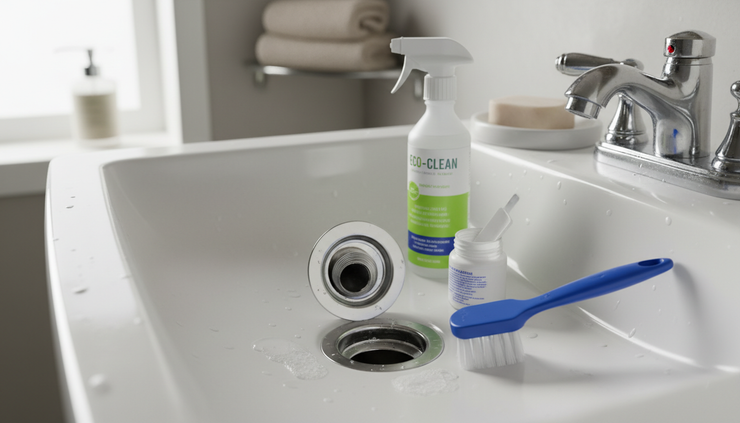
Biofilm needs nutrients. In household drains, the nutrient source is often obvious. Soap residue, food particles, grease, toothpaste, skin oils, and hair all provide material that can collect on drain walls.
In water supply lines, nutrient levels are much lower, but organic material may still be present in small amounts. Filters that are not changed on schedule can also collect material over time, creating a place for biofilm to develop.
Disinfectant levels can change through the system
Municipal water is treated before it reaches homes. Many systems use a disinfectant residual to help control microorganisms as water travels through pipes.
That residual can decrease with time, distance, temperature, and contact with pipe materials or organic matter. Water that sits in a low-use line may have less disinfecting power than fresh water entering the home.
Private wells are different because the homeowner is responsible for testing and treatment. Well water can vary widely by location, season, equipment condition, and nearby environmental factors. Regular testing helps identify issues that may affect biofilm growth and general water safety.
Pipe materials and age can matter
The interior condition of plumbing also affects biofilm. Older pipes may have corrosion, scale, or rough surfaces. Rubber and plastic parts, such as gaskets and flexible hoses, can provide attachment points too.
Biofilm in pipes is more likely to persist where inner surfaces are rough, water moves slowly, or deposits have built up over time. Smooth, clean surfaces are harder for film to grip.
Signs that biofilm may be present
Biofilm can be subtle. Many plumbing systems contain some level of microbial film without obvious problems. Still, certain signs suggest buildup deserves attention.
Watch for:
A musty, earthy, or sulfur-like odor from drains
Slimy residue inside drains or around drain stoppers
Pink, orange, black, or gray film near wet areas
Reduced flow from a faucet or showerhead
Debris trapped in faucet aerators
A cloudy film inside refrigerator water dispenser parts
Recurring odors that return after basic cleaning
Color can come from different sources, including minerals, bacteria, mold, soap scum, or a mix of materials. A pink film in a shower, for example, is often linked to common airborne bacteria that like damp surfaces. Black buildup in a drain may include decomposing organic matter.
Odor is another clue. When biofilm traps organic material, microorganisms can break it down and produce unpleasant smells. If the odor comes only from one drain, the problem may be local. If multiple fixtures have odor, discoloration, or taste issues, water quality or plumbing conditions may need a broader look.
Practical ways to prevent biofilm in household plumbing
No home can stay perfectly free of microorganisms, but routine habits can make plumbing less friendly to biofilm. The goal is to reduce moisture traps, remove residue, keep water moving, and manage water quality.
Keep water moving in low-use fixtures
Run rarely used faucets, showers, and tubs on a regular schedule. This helps flush stagnant water and brings fresh treated water into the branch line.
For a guest bathroom or basement sink, run both hot and cold water for a short period. Flush toilets in low-use bathrooms too. If a home has been vacant or unused for a while, flush fixtures thoroughly before normal use.
For homes with long absences, such as seasonal properties, consider asking a licensed plumber about proper shutdown and restart steps.
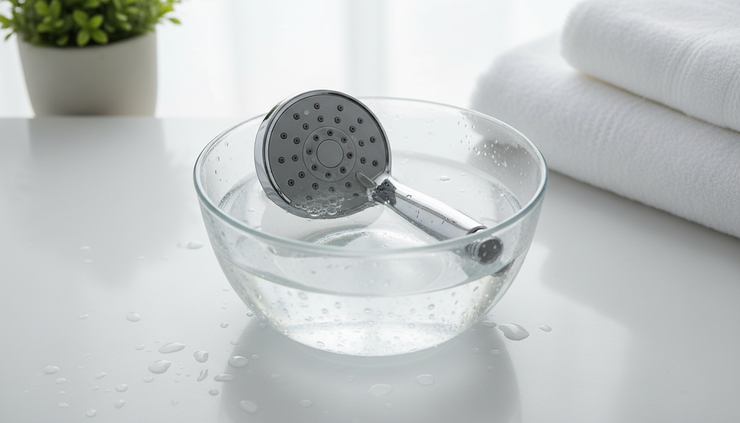
Clean faucet aerators and showerheads
Aerators and showerheads have small openings that trap minerals and debris. They also stay damp, which creates a prime location for biofilm.
A simple routine can help:
Unscrew the aerator or showerhead if it is designed to be removed.
Rinse loose debris.
Soak the part in a manufacturer-approved cleaning solution.
Scrub gently with a small brush.
Rinse well and reinstall.
Avoid harsh chemicals on specialty finishes unless the manufacturer says they are safe. Some finishes can discolor or peel.
Control drain residue before it builds up
Drains collect organic matter every day. Keeping that material from sticking to the drain wall lowers the chance of slime and odor.
Helpful habits include:
Use drain strainers in showers and sinks.
Wipe greasy pans before washing them.
Avoid pouring fats, oils, and grease down the sink.
Flush kitchen drains with plenty of hot water after heavy use.
Clean sink stoppers and drain covers regularly.
Remove hair from shower drains before it mats together.
Enzyme-based drain cleaners may help break down organic residue in some situations, but they work best as maintenance, not as a fix for serious clogs. Avoid mixing drain products. Chemical reactions can be dangerous and may damage plumbing.
Manage hard water and mineral scale
If a home has hard water, scale can build up on fixtures and inside appliances. A water softener or other treatment system may reduce mineral deposits, depending on the water chemistry.
Hard water signs include:
White crust on faucets
Spots on glassware
Soap that does not lather well
Scale around showerheads
Frequent appliance mineral buildup
Before installing treatment equipment, test the water or review a recent water quality report. The right solution depends on what is actually in the water.
Replace filters on schedule
Water filters can improve taste, odor, or sediment control, but they need regular maintenance. An overdue filter can collect particles and may become a growth site.
This applies to:
Refrigerator filters
Under-sink filters
Whole-house sediment filters
Carbon filters
Reverse osmosis prefilters
Water pitcher filters
Follow the manufacturer’s schedule, and replace filters sooner if flow drops, taste changes, or the water source has unusual sediment.
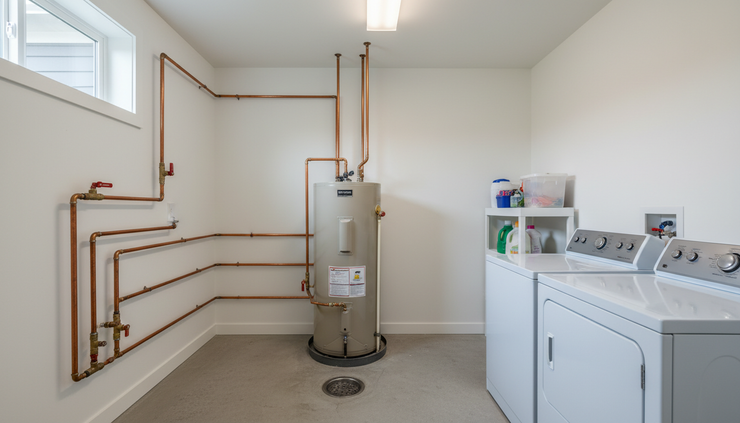
Keep water heaters set and maintained properly
Water heaters collect sediment over time, especially in hard-water areas. Sediment can affect performance and may create places where buildup collects.
Follow the water heater manufacturer’s maintenance instructions. Many tanks benefit from periodic flushing, but the best approach depends on the age and condition of the unit. If the drain valve is old or the tank has not been serviced in years, ask a plumber before attempting maintenance.
Water temperature also has safety implications. Water that is too hot can scald, and water that is too cool may create other concerns. A licensed plumber can help balance comfort, safety, and system health.
When cleaning is not enough
Some biofilm issues are local and easy to manage. A smelly bathroom sink drain or clogged faucet aerator may clear up with regular cleaning.
Other situations call for professional help.
Contact a licensed plumber or water treatment professional if:
Odors affect several fixtures.
Water has a persistent unusual taste or color.
Flow drops across multiple faucets.
A well test shows bacteria or other concerns.
Pipes show corrosion, leaks, or heavy scale.
Biofilm returns quickly after thorough cleaning.
A home has been vacant for a long time.
Homes on private wells should test water regularly according to local health department guidance. Testing is especially important after flooding, nearby construction, well repairs, or any sudden change in water taste, odor, or appearance.
Municipal water customers can review their annual water quality report. If a problem seems to begin inside the home, plumbing materials, fixture condition, filters, and water heaters may be part of the cause.
A simple maintenance plan for cleaner plumbing
Biofilm prevention works best as a set of small habits rather than one big cleaning project. A practical schedule can keep the work manageable.
Weekly
Run low-use fixtures.
Clean visible slime or film in wet areas.
Remove hair from drain covers.
Rinse kitchen drains well after food prep.
Monthly
Clean faucet aerators in high-use sinks.
Inspect showerheads for clogged spray holes.
Wipe refrigerator water dispenser surfaces.
Check under sinks for leaks or dampness.
Every few months
Clean drain stoppers and overflow openings.
Replace filters if the schedule calls for it.
Look for scale around fixtures.
Flush seldom-used lines more thoroughly.
Yearly
Review municipal water quality reports or test well water.
Inspect water treatment equipment.
Schedule plumbing service if odors, deposits, or flow problems persist.
Review water heater maintenance needs.
Small steps matter because biofilm favors neglect. A dry, smooth, clean, regularly flushed surface gives microorganisms fewer chances to settle in.
The main takeaway is simple: biofilm is a natural result of water meeting surfaces, but it does not have to take over household plumbing. Keep water moving, reduce residue, control mineral buildup, maintain filters, and pay attention to changes in odor, color, taste, or flow. Clean plumbing starts with consistent habits and good water quality.


Comments