Is Chlorine in Tap Water Safe Understanding Risks Levels and Alternatives
A faint swimming-pool smell from the kitchen faucet can be unsettling. The good news is that chlorine in tap water is not there by accident. Public water systems add it because it helps prevent diseases that once spread easily through drinking water.
The harder question is whether that protection comes with tradeoffs. The answer is balanced: chlorine at regulated levels is generally considered safe for drinking water, but it can affect taste, odor, skin comfort, and, under some conditions, may form byproducts that deserve attention.
This article explains what chlorine does, what health concerns are real, what levels are recommended in the United States, and how to reduce chlorine at home if taste, smell, or sensitivity is a concern.

What chlorine is and why water systems use it
Chlorine is a chemical element and a strong disinfectant. In water treatment, utilities may use chlorine gas, sodium hypochlorite, calcium hypochlorite, or related disinfectants. When added to water in controlled amounts, chlorine reacts with germs and helps inactivate many harmful organisms.
That matters because untreated water can carry bacteria, viruses, and parasites. Before modern disinfection became common, waterborne diseases such as cholera and typhoid fever caused major public health problems. Chlorination helped change that.
For drinking water systems, chlorine does two main jobs.
It disinfects at the treatment plant.
Chlorine helps kill or inactivate disease-causing organisms before the water enters the distribution system.
It leaves a protective residual.
A small amount remains in the water as it moves through pipes to homes and businesses. This residual helps protect water from recontamination if microbes enter the system through aging pipes, pressure changes, or repairs.
This second job is one reason chlorine remains so widely used. Some alternatives, such as ultraviolet light, can disinfect water at the plant but do not leave much ongoing protection in the pipes.
Many utilities also use chloramine, which forms when chlorine combines with ammonia. Chloramine tends to last longer in distribution systems and often has a milder smell than free chlorine. It is still a disinfectant, and it requires different home treatment methods if someone wants to remove it.
Is chlorine in tap water safe at typical levels
For most people, the levels of chlorine used in public drinking water are considered safe. In the United States, the Environmental Protection Agency sets a maximum residual disinfectant level for chlorine in drinking water at 4 milligrams per liter, also expressed as 4 parts per million.
That level includes a safety margin. Water utilities usually aim for enough disinfectant to protect the water supply, not enough to create a strong odor or taste. The chlorine level at a home faucet may vary based on distance from the treatment plant, temperature, pipe condition, and how long water has been sitting in the plumbing.
The phrase Is Chlorine in Tap Water Safe Understanding Risks Levels and Alternatives points to the real issue: safety is not only about the presence of chlorine. It is about the amount, the type of disinfectant, the quality of the source water, and whether disinfection byproducts are controlled.
For regulated public water systems, chlorine use is monitored. Utilities test disinfectant levels and must meet drinking water standards. Private wells are different. They are not regulated in the same way, and owners are responsible for testing and treatment.
Potential health effects of chlorine exposure
Most concern about chlorine falls into three categories: direct exposure, taste and irritation, and byproducts formed during treatment.
Direct effects from high chlorine exposure
At high concentrations, chlorine can irritate the eyes, nose, throat, lungs, and skin. This is why concentrated pool chemicals and household bleach require careful handling.
Drinking water is a different exposure scenario. The amount used in public water systems is far lower than the amount found in concentrated disinfectant products. At regulated levels, chlorine is not expected to cause the same type of acute harm associated with chemical spills, workplace exposure, or improper mixing of cleaners.
Still, some people are more sensitive to taste, odor, or irritation. A person with dry skin, eczema, or respiratory sensitivity may notice discomfort from chlorinated water, especially during hot showers where chlorine odor is easier to detect.
This content is informational only and is not medical advice. Anyone with persistent symptoms, immune concerns, or a medical condition should speak with a qualified health professional.
Taste, smell, and household comfort
Chlorine can make water smell like a pool or taste sharp. The smell may be stronger when water is warm or when it has been sitting in pipes.
Taste and odor do not always mean the water is unsafe. They may simply mean the disinfectant is noticeable. Still, a sudden strong bleach smell, a chemical taste that does not fade, or a major change in water quality should be reported to the local water utility.
Chlorine can also affect:
Coffee, tea, and cooking water flavor
Ice taste
Aquarium water safety
Some home brewing or fermentation projects
Shower comfort for people with sensitive skin
For aquariums, chlorine and chloramine can harm fish. Aquarium water should be treated with a product made for that purpose before use.

Disinfection byproducts
The most discussed long-term concern is not chlorine alone. It is what can form when chlorine reacts with natural organic matter in source water, such as decaying leaves, algae, or other carbon-containing material.
These reaction products are called disinfection byproducts, or DBPs. Two major regulated groups are:
Trihalomethanes, often shortened to THMs
Haloacetic acids, often shortened to HAAs
Research has linked long-term exposure to certain DBPs with increased health risks, including possible cancer and reproductive concerns. The evidence varies by compound and exposure level, and regulators set limits to reduce risk.
This is the core tradeoff in water treatment. Disinfection prevents immediate and serious disease risks. Byproduct control reduces possible long-term risks. Good water treatment balances both.
Utilities manage this by treating source water, removing organic matter before disinfection, adjusting disinfectant type and dose, and testing for byproducts. In many cases, the challenge is not whether to disinfect, but how to disinfect while keeping byproducts low.
Recommended chlorine levels in drinking water
In the United States, public drinking water systems must follow federal drinking water rules. The key number for chlorine is the EPA maximum residual disinfectant level of 4 mg/L, or 4 ppm.
Some practical context helps:
Chlorine level | What it generally means |
0 mg/L | No detectable chlorine residual, which may be a concern in certain distribution systems |
Low residual | Often enough to protect water near the tap, depending on utility requirements |
Noticeable taste or smell | Can happen even within legal limits, especially for sensitive people |
Above 4 mg/L | Exceeds the EPA maximum residual disinfectant level for public drinking water |
Public systems also track disinfectant residuals throughout the distribution network. A small residual is often desirable because it signals that water still has some protection against microbial contamination.
For private wells, chlorine levels depend on whether the well has been shock chlorinated or uses a continuous disinfection system. After shock chlorination, owners usually flush the system and test before drinking the water. A certified lab or local health department can help with testing guidance.
Consumers who want specific data should read their local Consumer Confidence Report, often called a water quality report. Public water systems send or publish these reports each year. They typically list disinfectant type, disinfectant levels, and regulated byproducts.
Alternatives to chlorine for water purification
Chlorine is common because it is effective, relatively low cost, and leaves a residual. Still, it is not the only option. Different methods fit different needs.
Chloramine
Chloramine lasts longer than free chlorine in pipes and may form lower levels of some regulated byproducts. Many cities use it for distribution systems.
The tradeoff is that chloramine can be harder to remove at home. A simple pitcher filter may not reduce it well unless the filter is designed and certified for chloramine reduction.
Ozone
Ozone is a powerful disinfectant used by some water treatment plants. It can treat taste, odor, and certain contaminants well.
Its main limitation is that it does not provide a lasting residual in the distribution system. Utilities that use ozone may still add chlorine or chloramine later to protect water in pipes.
Ultraviolet light
UV treatment uses light to damage the genetic material of microbes so they cannot reproduce. It can be effective for many bacteria, viruses, and protozoa when the water is clear enough for light to pass through.
Like ozone, UV does not leave a disinfectant residual. For private wells, UV systems also require maintenance, power, and prefiltration if the water has sediment or cloudiness.
Chlorine dioxide
Chlorine dioxide can disinfect water and help control taste and odor issues. It forms a different set of byproducts, such as chlorite, which also must be controlled.
Filtration systems
Filtration can remove particles, some chemicals, and certain organisms, depending on the filter type. Common home options include activated carbon, reverse osmosis, ceramic filters, and ultrafiltration.
Filtration alone is not always a full substitute for disinfection. A filter that improves taste may not make unsafe water safe. Labels and certifications matter.

How consumers can reduce chlorine in tap water
If the main problem is taste or smell, there are simple ways to reduce chlorine at home. The best method depends on whether the water contains free chlorine or chloramine.
Let water sit in an open container
Free chlorine can dissipate when water sits exposed to air. Filling a pitcher and leaving it uncovered in the refrigerator for several hours may reduce chlorine taste.
This method is simple and low cost, but it is less effective for chloramine. Keep the container clean and use the water within a reasonable time.
Use an activated carbon filter
Activated carbon is one of the most common ways to reduce chlorine taste and odor. It appears in pitcher filters, faucet-mounted filters, refrigerator filters, under-sink filters, and whole-house systems.
Look for products tested to recognized standards, such as NSF/ANSI standards for chlorine reduction. If chloramine is the issue, check that the filter specifically lists chloramine reduction. Catalytic carbon is often used for chloramine.
Replace filters on schedule. An old filter may work poorly and can collect material over time.
Boil water with care
Boiling can drive off some free chlorine, though it is not the most efficient everyday method for taste control. It is less useful for chloramine, which is more stable.
Boiling also does not remove many other contaminants. If water has a chemical spill concern or a local advisory, follow instructions from the water utility or health department.
Use a reverse osmosis system
Reverse osmosis systems can reduce many dissolved substances, and most include carbon prefilters that reduce chlorine. These systems are often installed under the sink.
They require maintenance, space, and filter changes. They also produce some reject water. For many homes, a carbon filter is enough if the only concern is chlorine taste.
Try vitamin C for bath or shower water
Vitamin C, such as ascorbic acid, can neutralize chlorine and chloramine. Some shower filters use this approach. It can be helpful for people bothered by chlorine odor in showers, though product performance varies.
For drinking water, use products intended for potable water and follow directions carefully.
Check your local water report
Before buying a treatment system, find out what disinfectant your water utility uses. The method that works for chlorine may not work as well for chloramine.
A smart checklist:
Read the annual water quality report
Note whether the disinfectant is chlorine or chloramine
Check reported disinfectant and byproduct levels
Choose a filter certified for the specific contaminant
Replace cartridges as directed
Contact the utility if odor, color, or taste changes suddenly
When chlorine smell should raise concern
A mild chlorine smell can be normal. A strong or sudden change deserves attention.
Call the water utility if:
The water smells strongly like bleach
The taste changes suddenly across multiple faucets
Water is discolored or cloudy at the same time
Neighbors notice the same issue
The smell appears after nearby water main work
For private wells, test the water if smell, color, taste, or pressure changes. Also test after flooding, repairs, or shock chlorination.
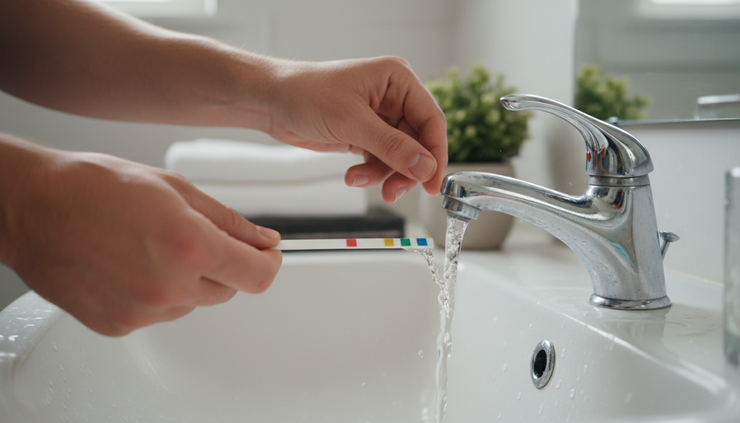
Do not try to solve a possible contamination problem by guessing. Water testing gives better answers than smell alone.
The balanced takeaway
Chlorine in drinking water has a clear public health purpose. It helps stop harmful microbes from spreading through water systems, and regulated levels in US public water supplies are generally considered safe for most people.
The tradeoffs are real but manageable. Chlorine can affect taste and smell. Some people find it irritating. It can also react with natural organic matter and form disinfection byproducts, which utilities must monitor and control.
For most households, the practical path is simple: read the local water quality report, learn whether the disinfectant is chlorine or chloramine, and choose a certified filter if taste, odor, or sensitivity is a concern. Safe water needs protection from germs, and good treatment keeps that protection within carefully controlled limits.


Comments